What is the relationship between type-C and fast charging?
Does fast charging conflict with fast data transmission? Can fast charging and fast transmission be realized at the same time? What is the relationship between type-C and fast charging?
According to the previous charging transmission process, the charger needs to reduce the voltage of 220V to 5V and output it to the microusb interface of the mobile phone, and then the internal circuit of the mobile phone will reduce the voltage to about 4.3v to charge the battery. There are two depressurization processes.
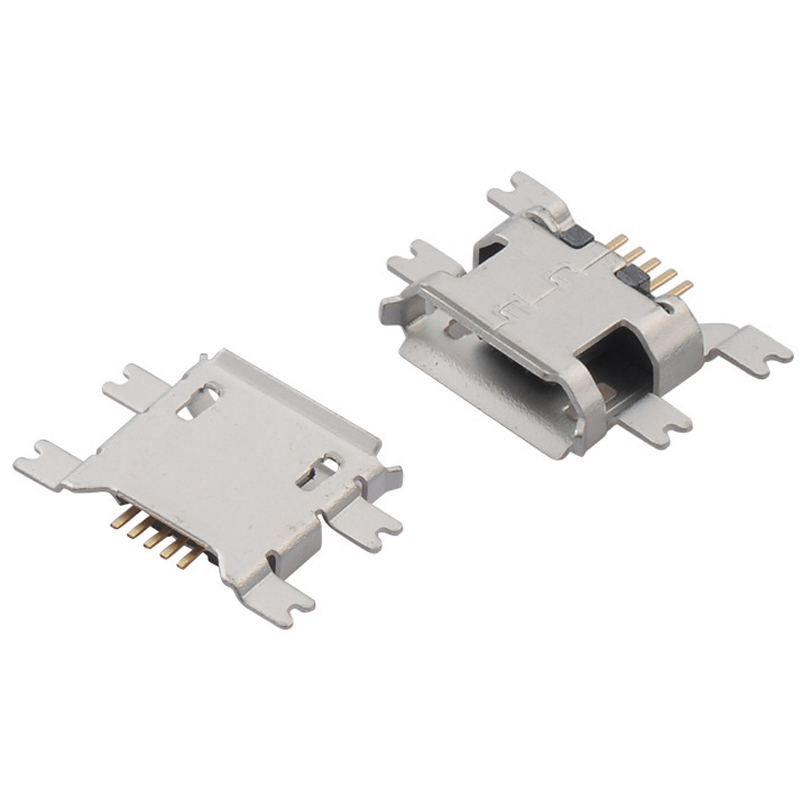
At present, the universal micro USB interface and our USB data cable can only ensure safe and efficient transmission under the current of 2A. If the current exceeds this figure, the hardware will be greatly challenged. At this time, type-C will win.
The number of contacts of type-C interface is several times that of micro USB interface, which greatly increases the current intensity it can withstand; At the same time, type-C adds the step of mutual identification, and can define itself as a charger or power receiving device. It can also be understood that USB type-C naturally supports fast charging. Under the same current, the loss of USB type-C will be smaller, and it can support two-way charging. Since 2018, mobile phone fast charging has gradually increased from 18W to 40W or even higher 65W. In the near future, the mobile phone industry is expected to enter the era of 100W fast charging.
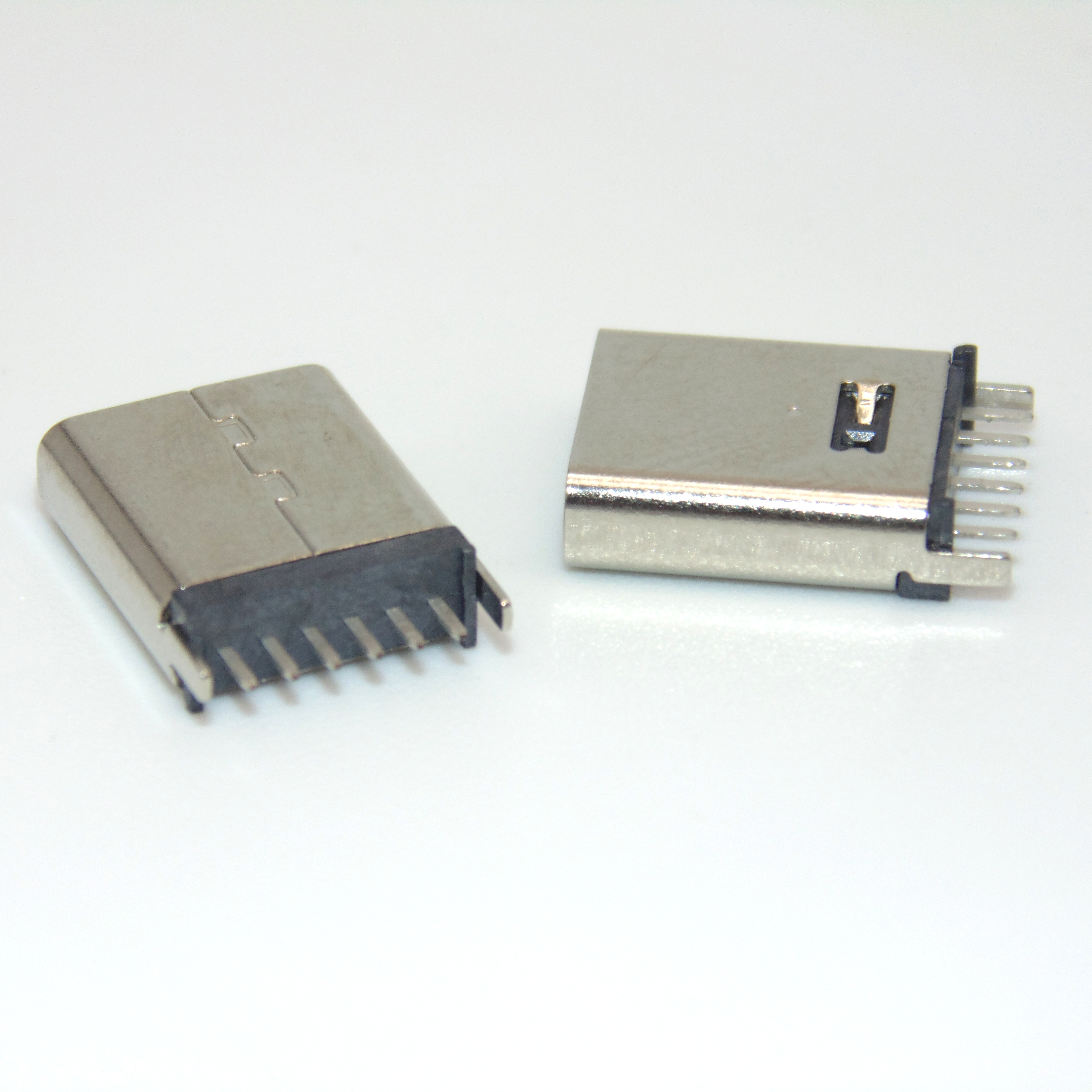
With the rapid charging of USB PD, it is becoming a fast charging scheme for smart phones, laptops, pads, and other mobile devices,. Connectors supporting fast charging and fast charging data cables will gain more market share in the cable industry.
;)